

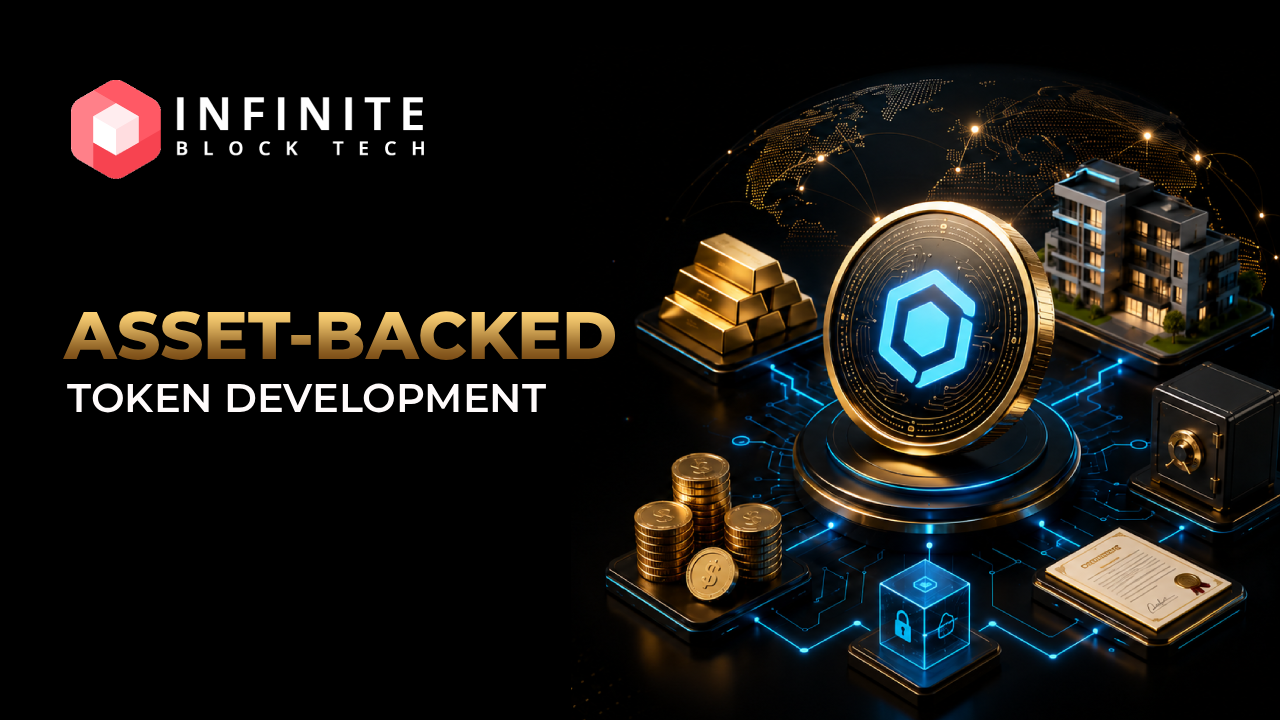
The way people invest, trade, and manage assets has changed significantly over the last decade. Traditional assets such as real estate, gold, artwork, commodities, and financial instruments have always held value, but accessing and trading them often come with limitations. High entry costs, lengthy paperwork, geographic restrictions, and limited liquidity have made many valuable assets difficult for average investors to access.
This is where Asset-Backed Token Development has gained attention. By connecting real-world assets with blockchain technology, businesses can represent physical or tangible assets as digital tokens. These tokens can be bought, sold, and transferred more efficiently while maintaining a connection to the underlying asset.
As blockchain adoption continues to grow across industries, asset-backed tokens are becoming an attractive option for organizations seeking new ways to raise capital, improve liquidity, and expand investment opportunities. This article explains how asset-backed token development works, its benefits, use cases, development process, challenges, and future potential.
Exploring Asset-Backed Tokens
An asset-backed token is a digital token that represents ownership, rights, or value linked to a real-world asset. Unlike cryptocurrencies that derive value primarily from market demand, asset-backed tokens have an underlying asset supporting their worth.
These assets may include:
- Real estate properties
- Precious metals such as gold and silver
- Commodities
- Art collections
- Bonds and securities
- Luxury goods
- Intellectual property
- Agricultural assets
Through Real World Asset Tokenization, ownership rights can be divided into smaller units represented by blockchain-based tokens. This allows investors to purchase fractions of assets that would otherwise require substantial capital.
For example, a commercial building worth $10 million can be tokenized into one million tokens. Investors can purchase a small number of these tokens rather than buying the entire property.
What is Real World Asset Tokenization?
Real World Asset Tokenization refers to the process of converting ownership rights of physical or traditional assets into blockchain-based digital tokens.
The goal is to bridge traditional finance and blockchain technology by making valuable assets easier to access and trade.
The tokenization process generally involves:
- Identifying a real-world asset.
- Verifying ownership and legal compliance.
- Determining asset valuation.
- Creating blockchain-based tokens representing ownership.
- Enabling trading and transfer through approved platforms.
This approach helps businesses and asset owners attract a wider pool of investors while improving liquidity for traditionally illiquid assets.
Why Asset-Backed Token Development Matters
Many real-world assets face liquidity challenges. Selling a property, artwork, or commodity often requires significant time, documentation, and intermediary involvement.
Asset-Backed Token Development addresses these issues by creating digital representations that can be traded more efficiently.
Some key reasons why businesses are adopting tokenization include:
Increased Liquidity
Assets that are difficult to sell can become more liquid when represented as digital tokens. Investors can buy and sell portions of an asset without waiting for a complete asset sale.
Fractional Ownership
Tokenization allows ownership to be divided into smaller units. This reduces investment barriers and attracts a broader investor base.
Greater Transparency
Blockchain records every transaction on an immutable ledger. Investors can verify ownership history and transaction records more easily.
Reduced Administrative Costs
Traditional asset transactions often involve brokers, legal representatives, and multiple intermediaries. Tokenization can simplify many of these processes.
Global Market Access
Investors from different regions can participate in tokenized asset markets, subject to regulatory requirements.
How Blockchain Asset Tokenization Works
Blockchain Asset Tokenization uses blockchain networks to create digital tokens representing ownership rights or value associated with a real-world asset.
The process generally follows these steps:
Asset Identification
The first step involves selecting an asset suitable for tokenization. This may include property, commodities, artwork, or other valuable assets.
Legal Structuring
Ownership rights and legal frameworks must be clearly defined. This stage helps determine how token holders are connected to the underlying asset.
Asset Valuation
Independent valuation experts assess the asset’s market value to establish token pricing and distribution.
Smart Contract Creation
Smart contracts are programmed to define ownership rules, transfers, dividends, voting rights, and other functions.
Token Issuance
Tokens are generated on a blockchain platform and distributed according to the project’s structure.
Trading and Management
Investors can hold, transfer, or trade tokens through approved marketplaces and platforms.
This structured approach allows organizations to digitize ownership while maintaining transparency and accountability.
Asset Tokenization Services and Their Growing Demand
The increasing popularity of tokenized assets has led to a rise in demand for professional Asset Tokenization Services.
These services help businesses navigate technical, legal, and operational requirements associated with tokenization projects.
Common services include:
- Asset evaluation and consultation
- Legal compliance support
- Smart contract development
- Blockchain integration
- Security audits
- Token issuance
- Investor management systems
- Marketplace integration
Organizations seeking to tokenize assets often work with experienced development companies that understand both blockchain technology and regulatory considerations.
Types of Assets Suitable for Tokenization
One of the most appealing aspects of tokenization is its flexibility. Various asset classes can be represented digitally.
Real Estate
Real estate remains one of the largest sectors adopting tokenization. Investors can purchase fractional ownership in residential, commercial, or industrial properties.
Benefits include:
- Lower investment requirements
- Improved liquidity
- Access to international investors
Precious Metals
Gold and silver-backed tokens allow investors to own digital representations of physical metals stored in secure facilities.
Commodities
Agricultural products, oil reserves, and other commodities can be tokenized for easier trading and investment.
Art and Collectibles
High-value artwork and collectibles can be divided into fractional ownership shares, enabling wider participation.
Financial Assets
Stocks, bonds, and private equity investments can also benefit from tokenization structures.
RWA Token Development and Market Growth
The concept of RWA Token Development has become increasingly important as investors seek more stable and asset-linked digital investments.
Unlike speculative digital assets, RWA tokens derive value from tangible or established financial assets. This connection often attracts institutional investors looking for greater stability and transparency.
Several factors contribute to the growth of RWA tokenization:
- Increased blockchain adoption
- Growing interest from institutional investors
- Demand for alternative investment opportunities
- Improved regulatory frameworks in various jurisdictions
- Expansion of decentralized finance ecosystems
As financial markets continue evolving, RWA token development is expected to play a larger role in connecting traditional assets with blockchain-based ecosystems.
Asset-Backed Cryptocurrency Development
One area receiving significant attention is Asset-Backed Cryptocurrency Development.
Traditional cryptocurrencies can experience significant price volatility because their value depends largely on market sentiment and demand. Asset-backed cryptocurrencies seek to address this issue by linking digital tokens to real-world assets.
Examples include:
- Gold-backed cryptocurrencies
- Real estate-backed cryptocurrencies
- Commodity-backed cryptocurrencies
- Security-backed digital assets
By connecting cryptocurrency value to underlying assets, businesses can provide additional confidence to investors while reducing excessive market fluctuations.
These digital assets combine blockchain efficiency with tangible value support, creating opportunities for both businesses and investors.
Asset-Backed Stablecoin Development
Stablecoins have become a major component of the blockchain economy. While many stablecoins are backed by fiat currencies, Asset-Backed Stablecoin Development introduces broader possibilities.
Asset-backed stablecoins may be linked to:
- Gold reserves
- Silver reserves
- Commodity baskets
- Real estate portfolios
- Government securities
These stablecoins aim to maintain price stability while benefiting from blockchain-based transactions.
Advantages include:
Reduced Volatility
Backing tokens with real assets helps maintain more predictable value.
Enhanced Trust
Investors often feel more comfortable holding assets supported by verifiable reserves.
Efficient Transactions
Asset-backed stablecoins can facilitate payments, settlements, and cross-border transfers.
Diversified Asset Exposure
Users gain exposure to underlying assets without directly owning or storing them.
As stablecoin adoption grows, asset-backed models are becoming increasingly relevant for businesses and financial institutions.
Create New Liquidity Opportunities with Asset-Backed Tokens
Benefits of Custom Asset-Backed Token Solutions
Every organization has unique requirements, asset structures, and compliance obligations. This is why many businesses seek Custom Asset-Backed Token Solutions rather than generic tokenization platforms.
Customized solutions allow organizations to:
- Define ownership models
- Set investor participation rules
- Integrate specific compliance mechanisms
- Configure revenue-sharing structures
- Add governance features
- Create specialized trading environments
Custom development provides greater flexibility for businesses seeking long-term tokenization strategies aligned with their objectives.
Key Technologies Behind Asset-Backed Token Development
Several technologies contribute to successful tokenization projects.
Blockchain Networks
Popular blockchain platforms include:
- Ethereum
- Polygon
- Binance Smart Chain
- Solana
- Avalanche
These networks support token creation, transfers, and smart contract functionality.
Smart Contracts
Smart contracts automate ownership transfers, distributions, compliance checks, and other processes.
Digital Wallets
Wallets provide secure storage and management of tokenized assets.
Security Infrastructure
Encryption, multi-signature wallets, and auditing tools help protect investor assets and project integrity.
Identity Verification Systems
Know Your Customer (KYC) and Anti-Money Laundering (AML) procedures are often integrated into tokenization platforms.
Challenges in Asset Tokenization
Although tokenization offers many advantages, organizations should also consider potential challenges.
Regulatory Compliance
Regulations differ across countries and asset categories. Compliance requirements can vary significantly.
Asset Verification
The legitimacy and ownership of underlying assets must be properly verified before tokenization.
Market Adoption
Investor education and trust remain important factors for successful adoption.
Technical Security
Smart contract vulnerabilities and cybersecurity threats require continuous attention.
Liquidity Management
Tokenization alone does not automatically create liquidity. Active marketplaces and investor participation remain necessary.
Addressing these challenges through careful planning and professional development can improve project success.
Industries Benefiting from Asset-Backed Token Development
Asset-backed tokenization is influencing multiple industries.
Real Estate
Property developers use tokenization to attract global investors and raise capital more efficiently.
Finance
Financial institutions are evaluating tokenized securities, bonds, and investment products.
Precious Metals
Gold and silver tokenization simplifies ownership and trading.
Supply Chain
Commodity-backed tokens improve transparency and traceability.
Art and Entertainment
Artists and collectors can monetize valuable assets through fractional ownership models.
These applications demonstrate the versatility of Asset-Backed Token Development across different sectors.
The Future of Asset-Backed Tokens
The future of tokenized assets appears promising as blockchain adoption continues to expand.
Several trends are likely to influence growth:
- Increased institutional participation
- More regulatory clarity
- Expansion of decentralized finance applications
- Enhanced interoperability between blockchain networks
- Growth of tokenized investment platforms
As technology and regulations mature, more real-world assets are expected to enter digital markets.
Tokenization has the potential to make investing more accessible while creating new opportunities for asset owners and financial institutions.
The concept of representing physical value through digital tokens is gradually becoming a practical solution rather than an experimental idea. Businesses that adopt tokenization strategies today may be better positioned to participate in emerging digital asset ecosystems.
Conclusion
Asset-Backed Token Development is transforming how real-world assets are owned, traded, and managed. By converting physical and traditional assets into blockchain-based tokens, businesses can enhance liquidity, enable fractional ownership, improve transparency, and expand access to a wider investor base.
From Asset Tokenization Services and Real World Asset Tokenization to RWA Token Development, Blockchain Asset Tokenization, Asset-Backed Cryptocurrency Development, Asset-Backed Stablecoin Development, and Custom Asset-Backed Token Solutions, the tokenization industry continues to unlock new opportunities across multiple sectors.
As the demand for digital asset ownership grows, asset-backed tokenization is expected to play a key role in bridging traditional finance and blockchain technology. Businesses that adopt secure, compliant, and scalable tokenization solutions can position themselves to capitalize on emerging market opportunities while delivering greater value to investors and stakeholders.